
Developer and editor · Hanoi, Vietnam
Son Hoang
Son Hoang is a software developer based in Hanoi, Vietnam, and the person behind GamesLink. He designed and built every game on the site, and he edits the guides and articles written about them.
Background
Son has worked as a professional software engineer for more than twenty years. He started in large enterprise systems and later led remote engineering teams, building web, mobile and back-end products. Games are where that experience goes now: small, fast-loading games that work as well on a phone as on a computer.
How he works on the games
Each game on GamesLink starts from a simple idea that can be learned in one screen, such as "you only steer; your weapons fire themselves" or "pour until every prism holds one colour". It is then tuned by playing it, and by running the numbers that decide how hard it gets. Several games use licensed 3D art packs, listed with their makers on the credits page. Every game page includes Son's note on how that game was made and a history of its updates.
Guides and corrections
The strategy guides are written from each game's own rules; how we write guides explains the process, including the use of AI writing tools. If something in a guide doesn't match the game, Son wants to know: email contact@gameslink.online.
Games by Son
 Survivors ArenaTwenty minutes. One arena. Everything wants you.
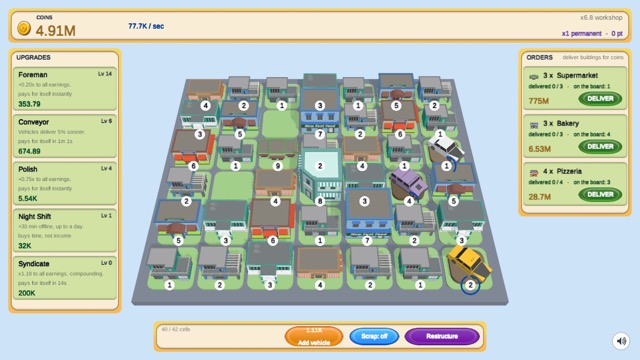 Merge WorkshopMerge a cottage into a stadium.
 Lane DefenseHold the lanes. Leak nothing.
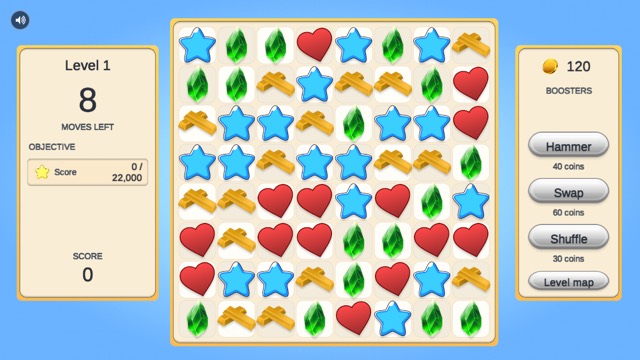 Gem CascadeMatch three, build specials, clear the board.
 Snake ArenaGrow long. Don't bump heads.
 Hold the GateTap a lane.
 Kite & WindHold to rise.
 Hop TowerTap to jump. Climb before the spikes catch up.
 Siege ShotAim and let go.
 Critter CareTap the right one.
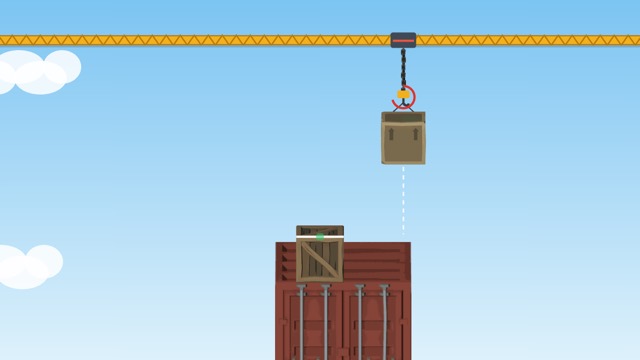 Stack YardTap to drop. Stack the yard as high as you dare.
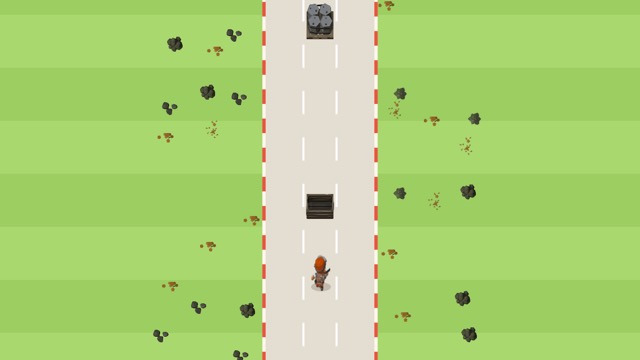 NightrunThree lanes. Change lane. That is all.
 Swarm DodgeYou move. That is the only thing you can do.
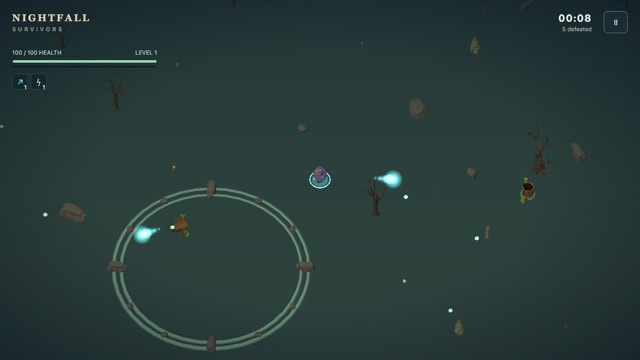 Nightfall: SurvivorsSurvive the haunted clearing until dawn.
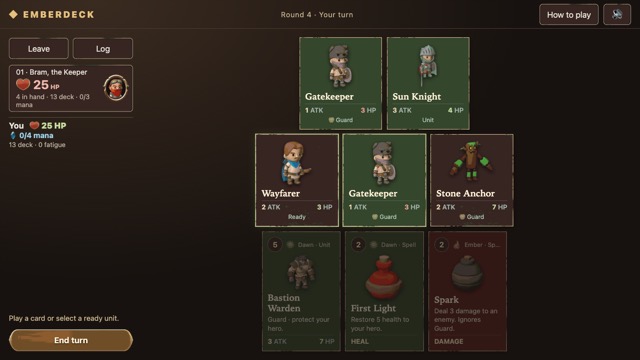 EmberdeckTwenty cards, three opponents, no packs to buy.
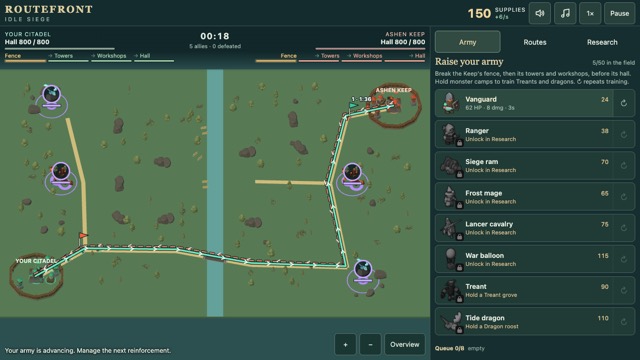 RoutefrontOpen the shortest road to the enemy keep.
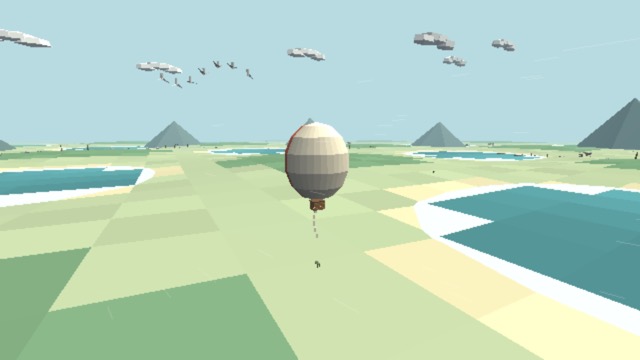 SkyweaveA balloon goes where the air goes.
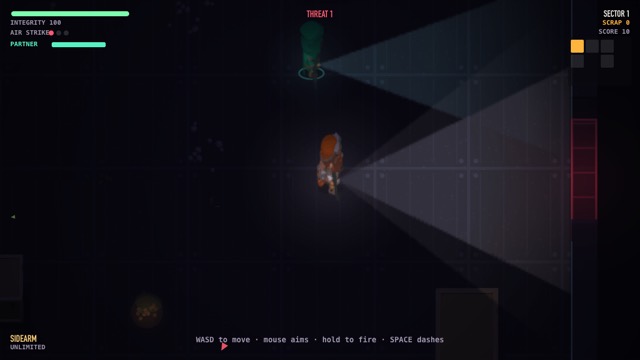 Run and GunClear the room. Shoot the door open. Take what was behind it.
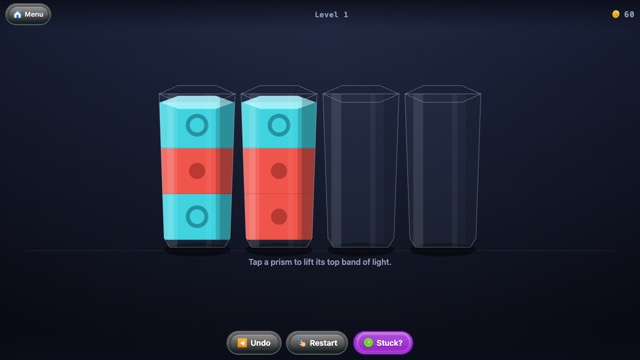 Prism SortPour the light until every prism holds one colour.
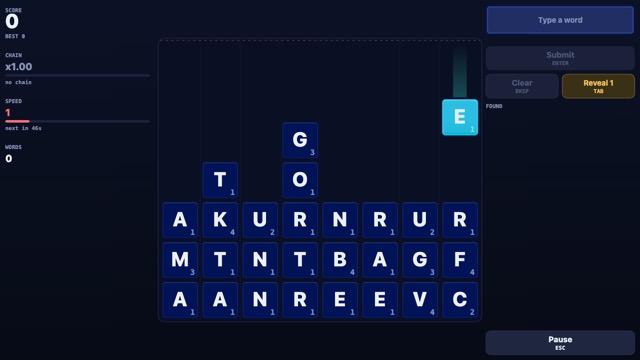 WordfallLetters fall. Spell them out before the well fills.
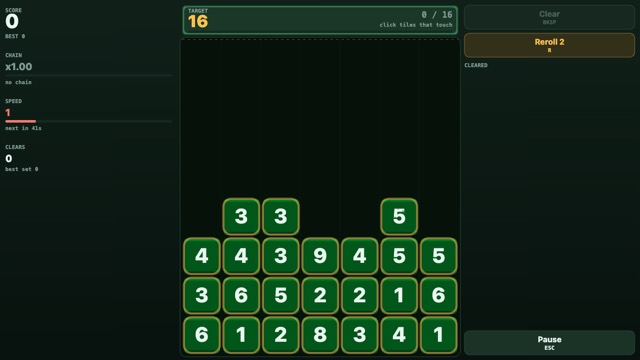 SumspillPick tiles that touch and add up to the target.
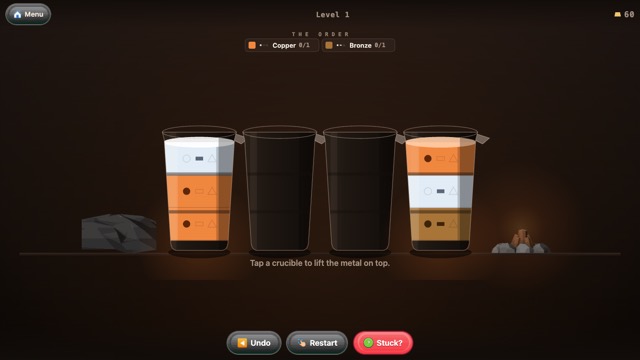 MeltpourPour two metals together and they fuse for good.
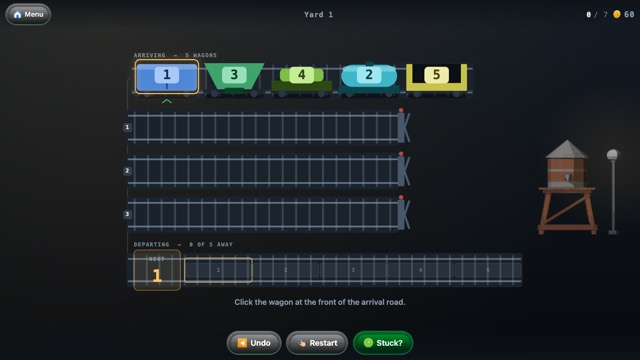 Siding YardThe wagons arrive in the wrong order. They leave in the right one.
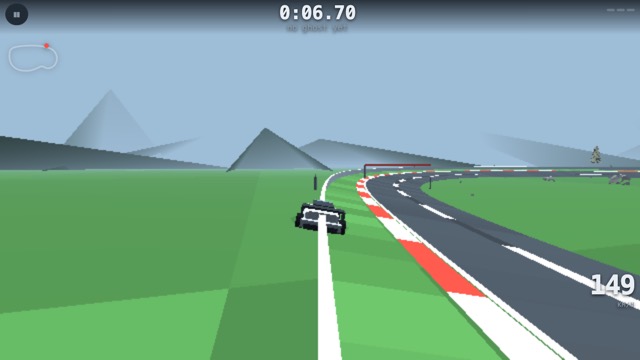 Facet CircuitOne flying lap, and the corner you know you got wrong.
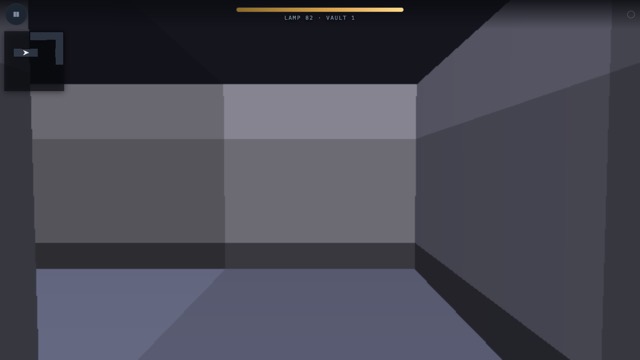 Corridor VaultThe key is down the branch you did not take.